IT Management with SaaS Applications: Driving Efficiency and Agility in Modern Enterprises
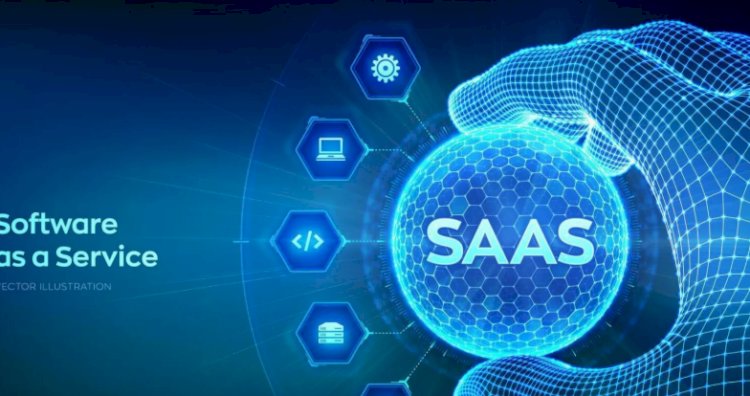
In today’s rapidly evolving digital landscape, organizations are increasingly shifting from traditional on-premises IT systems to Software-as-a-Service (SaaS) applications to streamline management, reduce costs, and enhance operational agility. SaaS-based IT management tools empower businesses to handle critical functions such as infrastructure monitoring, asset tracking, user provisioning, cybersecurity, and workflow automation without the complexity of maintaining physical servers or large in-house teams. This model allows IT departments to focus more on strategy and innovation rather than routine maintenance.
SaaS applications in IT management offer scalability, enabling businesses to quickly adjust to changing workloads or business growth. Solutions like ServiceNow, Freshservice, and SolarWinds provide centralized dashboards for incident management, network monitoring, and performance analytics, making it easier to oversee dispersed systems and remote teams. Moreover, these platforms integrate seamlessly with cloud services, enabling unified visibility across hybrid and multi-cloud environments. Automated patch management, AI-driven threat detection, and self-service portals further improve efficiency and reduce downtime, helping organizations stay resilient in the face of increasing cyber threats.
Cost efficiency is another major advantage. With SaaS, companies can adopt a subscription-based model, avoiding large capital expenditures for hardware and software licensing. This pay-as-you-go approach also ensures that businesses only pay for the features and users they need, optimizing IT budgets. Furthermore, SaaS providers handle regular updates and compliance requirements, ensuring that organizations remain up-to-date with the latest features and security standards without investing heavily in internal resources.
In the age of digital transformation, IT management with SaaS applications is no longer just a trend but a necessity for businesses aiming to remain competitive. By leveraging SaaS, companies can achieve greater operational agility, enhance security, and ensure seamless user experiences, all while significantly reducing the burden on internal IT teams. As more enterprises adopt hybrid work environments and cloud-first strategies, SaaS-based IT management will continue to be a cornerstone of modern business operations.