Cloud Computing: The Backbone of the Digital Era

In today’s hyper-connected world, cloud computing has become more than a buzzword — it’s the foundation of modern business, innovation, and connectivity. From startups to global enterprises, everyone is harnessing the power of the cloud to scale faster, store smarter, and operate more securely.
But what exactly makes cloud computing so transformative? Let’s dive deep into its evolution, benefits, challenges, and the future it promises.
What Is Cloud Computing?
At its core, cloud computing refers to delivering computing services — including servers, storage, databases, networking, software, and analytics — over the internet (“the cloud”).
Instead of owning physical data centers or servers, businesses can rent access to these resources from a cloud provider like Amazon Web Services (AWS), Microsoft Azure, or Google Cloud Platform (GCP).
In simple terms, cloud computing is like using electricity: you don’t need to build your own power plant — you just pay for what you use.
How Cloud Computing Transformed the Digital Landscape
A decade ago, businesses relied heavily on physical infrastructure. Scaling meant buying more servers, hiring IT staff, and managing maintenance costs.
Today, with cloud platforms, scaling can be done in minutes with a few clicks.
-
Startups can launch globally without heavy upfront costs.
-
Enterprises can deploy AI, data analytics, and automation tools without building new data centers.
-
Remote teams can collaborate in real time using cloud-based productivity apps.
Cloud computing has essentially democratized access to advanced technology, giving every business a fair chance to compete.
The Three Core Cloud Service Models
Understanding cloud computing means knowing its service models — the different “layers” of cloud functionality:
-
Infrastructure as a Service (IaaS):
-
Provides virtualized computing resources like servers, storage, and networks.
-
Example: AWS EC2, Google Compute Engine, Microsoft Azure Virtual Machines.
-
-
Platform as a Service (PaaS):
-
Offers a development platform to build, test, and deploy applications without managing infrastructure.
-
Example: Google App Engine, Heroku, Microsoft Azure App Services.
-
-
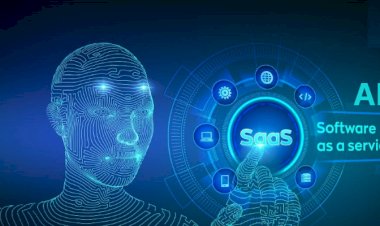
Software as a Service (SaaS):
-
Delivers ready-to-use software over the internet, accessible via web browsers.
-
Example: Salesforce, Slack, Zoom, Google Workspace.
-
Each layer builds upon the previous one, offering varying levels of control, flexibility, and simplicity.
Key Benefits of Cloud Computing
1. Cost Efficiency
No more heavy capital investment in hardware. Businesses only pay for what they use, turning fixed costs into flexible operational expenses.
2. Scalability and Flexibility
Whether your company doubles in size overnight or needs to scale down, cloud computing adapts instantly.
3. Business Continuity and Disaster Recovery
Cloud backup and recovery ensure that data is secure and accessible even in unforeseen circumstances — reducing downtime and losses.
4. Collaboration and Accessibility
Teams can access files and applications anytime, anywhere — enhancing productivity and supporting hybrid or remote work environments.
5. Security and Compliance
Cloud providers now invest billions in advanced security measures like encryption, firewalls, and identity management, ensuring data stays protected.
Challenges in Cloud Computing
While cloud adoption continues to rise, it’s not without hurdles:
-
Data Privacy Concerns: Businesses must ensure compliance with data protection regulations (like GDPR).
-
Vendor Lock-In: Migrating from one provider to another can be complex.
-
Downtime and Reliability: Outages at cloud providers can impact business operations globally.
-
Skill Gap: Managing and optimizing cloud infrastructure requires specialized talent.
These challenges highlight the importance of strategic planning and vendor due diligence before moving to the cloud.
Emerging Trends in Cloud Computing
The cloud industry is evolving fast, with several exciting trends shaping its future:
-
Multi-Cloud and Hybrid Cloud Environments – Companies are blending private and public clouds for flexibility and cost optimization.
-
Edge Computing – Data processing closer to the source (e.g., IoT devices) reduces latency and enhances performance.
-
Serverless Computing – Developers focus on code, while the cloud automatically handles infrastructure scaling.
-
AI-Driven Cloud Management – Artificial intelligence is being used to monitor, secure, and optimize cloud performance.
-
Sustainability Focus – Green data centers and energy-efficient cloud operations are becoming top priorities.
The Future of Cloud Computing
By 2030, experts predict that over 90% of enterprises will be cloud-native. The convergence of AI, 5G, blockchain, and quantum computing will further amplify the cloud’s role in driving innovation.
As businesses continue to digitize, the cloud won’t just be an option — it will be the default foundation of all digital transformation efforts.
Conclusion
Cloud computing has redefined how we work, store, and scale. It bridges the gap between ambition and capability — enabling even small startups to compete with global giants.
The key is not just adopting the cloud, but leveraging it strategically: optimizing costs, ensuring security, and continuously innovating.
In an age where speed, agility, and data drive success, one thing is certain — the future belongs to those who master the cloud.