The Modern IT Data Center: Powering the Digital Economy with Reliability, Speed, and Intelligence
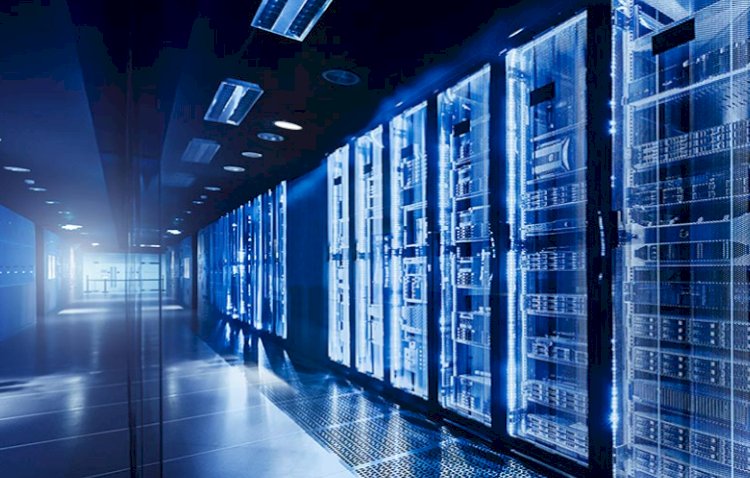
As global businesses accelerate their digital transformation, the IT data center has become the core engine powering cloud applications, analytics, automation, and mission-critical workloads. What was once a room filled with servers has evolved into a highly sophisticated environment built on virtualization, AI-driven management, and energy-efficient infrastructure. Today’s data centers are not just storage hubs; they are intelligent ecosystems supporting the entire digital economy—processing massive volumes of data, enabling seamless connectivity, and ensuring uninterrupted business continuity.
From Hardware Rooms to Cloud Hubs
Traditional on-premises data centers required large physical footprints, manual maintenance, and significant capital investment. Over the last decade, organizations have shifted toward hybrid and cloud-enabled architectures. Instead of relying solely on physical servers, businesses now leverage:
-
Virtualization
-
Software-defined networks (SDN)
-
Cloud computing
-
Hyper-converged infrastructure
This transition provides better scalability, lower operating costs, faster deployment, and improved disaster recovery. Companies can run workloads across private, public, and edge data centers, optimizing performance and cost based on real-time needs.
AI and Automation: The Intelligent Data Center
Modern data centers are increasingly managed by automation tools and AI-driven analytics. Instead of manual monitoring, intelligent systems now:
-
Predict failures before they occur
-
Automatically manage workload traffic
-
Monitor temperature and power usage
-
Balance performance based on demand peaks
AI reduces downtime, increases efficiency, and significantly lowers operational expenses. Self-healing infrastructure—where systems detect and fix issues automatically—is becoming a new industry standard.
Energy Efficiency and Green Data Centers
As data center growth accelerates, so does energy consumption. Many operators are now adopting green data center designs to reduce carbon footprint. This includes:
-
Renewable power sources like solar and wind
-
Liquid and immersion cooling systems
-
Low-power processors
-
Smart sensors to optimize cooling and power usage
Tech giants and telecom providers are investing in sustainability, aiming for carbon-neutral or carbon-negative data centers in the coming decade. This shift is driven by both environmental responsibility and cost savings from reduced energy usage.
Security and Compliance
With cyber threats at an all-time high, data centers must enforce strict security frameworks. Advanced encryption, zero-trust architecture, real-time threat detection, and physical security monitoring protect sensitive workloads. For industries like finance, healthcare, and e-commerce, compliance with standards such as ISO, GDPR, and HIPAA is mandatory.
Edge Data Centers: Bringing Processing Closer to Users
The rise of IoT, 5G, autonomous systems, and real-time analytics has led to a boom in edge data centers. Instead of routing traffic through large centralized facilities, edge centers process data closer to users for:
-
Lower latency
-
Faster response time
-
Reduced network congestion
Applications like smart cities, autonomous vehicles, and industrial automation depend heavily on edge computing.
The Future: Autonomous, Hybrid, and Globally Distributed
The next generation of IT data centers will be:
-
Fully autonomous, powered by intelligent software
-
Distributed across regions, increasing resilience
-
Hybrid-by-default, combining on-prem, cloud, and edge
-
Sustainability-first, reducing environmental impact
Quantum computing and ultra-fast networking will further redefine data center capabilities in the coming decade.
Conclusion
IT data centers are no longer back-office infrastructure; they are the backbone of modern business operations, powering everything from banking and healthcare to e-commerce and AI. As organizations continue to adopt cloud technologies, 5G, automation, and data-driven decision-making, the demand for efficient, secure, and intelligent data centers will only increase. Companies that invest in modern data center strategies today will gain a major competitive advantage in the digital era.