B2B Marketing vs B2C Marketing: Understanding the Key Differences
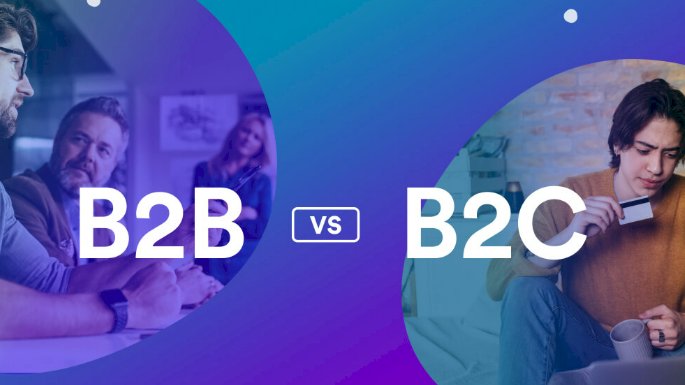
Marketing is not a one-size-fits-all strategy. Depending on the target audience, marketing tactics, tone, and objectives can differ greatly. The two most common forms of marketing are Business-to-Business (B2B) and Business-to-Consumer (B2C) marketing. While both share the ultimate goal of driving sales and growth, the path each takes to achieve this goal is distinctly different.
1. Target Audience and Buying Behavior
The most fundamental difference lies in who the target is. B2B marketing targets businesses, decision-makers, or professionals who are purchasing products or services for operational or strategic purposes. In contrast, B2C marketing targets individual consumers who are making purchases for personal use.
In B2B marketing, purchasing decisions are often logical, research-based, and influenced by multiple stakeholders (such as procurement officers, managers, or CEOs). On the other hand, B2C decisions are more emotionally driven, fast-paced, and based on personal needs or desires.
2. Sales Cycle and Decision-Making Process
B2B sales cycles are typically longer and more complex. The buyer often needs to justify the investment, conduct a detailed ROI analysis, and navigate through internal approvals. It can take weeks or months before a deal is closed. As a result, B2B marketing must be highly informative, educational, and focused on building long-term trust.
In contrast, B2C transactions usually happen quickly. A consumer might see an ad on social media, visit a product page, and make a purchase within minutes. This means B2C marketing emphasizes compelling visuals, emotional appeal, and instant gratification.
3. Marketing Channels and Content Approach
B2B marketing relies heavily on educational content such as white papers, case studies, webinars, LinkedIn posts, industry reports, and email campaigns. The content is typically technical, data-driven, and aimed at showcasing expertise and solving business pain points.
B2C marketing, meanwhile, leans into emotive storytelling and entertainment through channels like Instagram, YouTube, Facebook, and TikTok. Marketers often use influencer collaborations, short videos, discounts, and lifestyle content to build brand appeal and drive conversions.
4. Pricing and Relationship Building
In B2B, the pricing models are usually customized, often involving negotiations, contracts, and long-term commitments. The focus is on building strong client relationships with dedicated account managers and personalized support. Repeat business and trust are key priorities.
B2C pricing is more standardized and transparent, often based on fixed price tags or tiered subscriptions. The relationship with the consumer is more transactional, though brand loyalty programs and excellent customer service still play a big role in retention.
5. Success Metrics and KPIs
While both B2B and B2C marketing aim for conversions, the success metrics they track can differ. B2B marketers focus on lead quality, conversion rate over time, customer lifetime value, and pipeline velocity. The emphasis is on nurturing leads through the funnel.
B2C marketers prioritize immediate sales, customer engagement, website traffic, bounce rates, and social shares. Speed and volume are often more important than long-term relationship development in many consumer-focused campaigns.
Conclusion: Different Paths, Same Goal
Both B2B and B2C marketing require deep understanding of the audience, creative strategy, and clear communication—but the tone, tools, and techniques used vary dramatically. B2B is about logic, relationships, and problem-solving, while B2C is about emotion, experience, and impulse. For businesses to thrive, understanding these differences is essential in crafting campaigns that resonate, convert, and build long-lasting value.